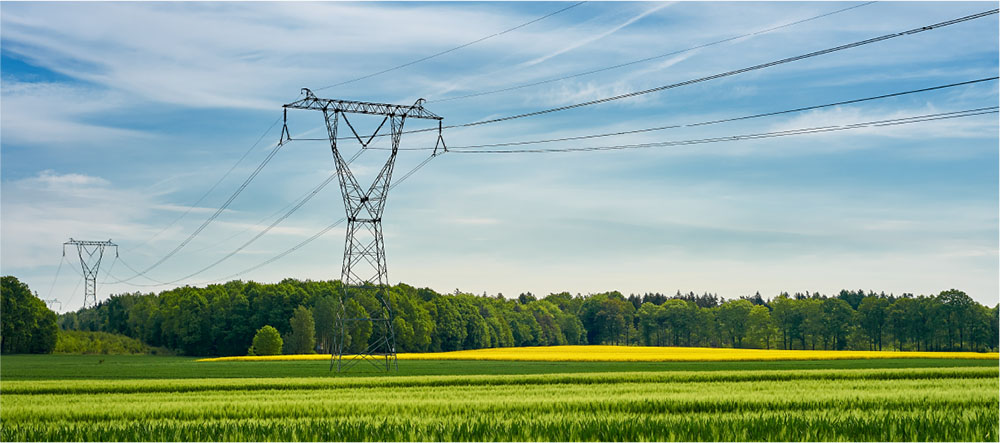
When a utility company (or its affiliate) builds an electric transmission line, the infrastructure will frequently span several miles, crossing property lines as it delivers power. The utility does not purchase all the land that is needed along the route. Instead, we purchase “rights” from landowners that allow for the construction, operation and maintenance of the infrastructure in the form of an easement agreement.
The property easement is a legal agreement that gives a utility the right to use property for building and maintaining the necessary infrastructure. Typically, the landowner is compensated for granting the utility permission to construct, operate and maintain transmission lines or other electric infrastructure on their land. The landowner maintains ownership of the property, but the easement gives the utility the right to enter, maintain and modify portions of the land as necessary. Landowners may still use their land for various activities, but they agree to certain restrictions so that any modifications made in the future do not interfere with utility operations.
Easements remain with the property as long as the infrastructure is in place, even if it is sold to a different owner. Modifications within the easement area may require written permission.